
Solar PV, battery storage, EV charging, LED lighting, heat pumps and smarter building controls are all attractive options for schools and businesses looking to reduce energy use and carbon emissions. There is one issue that can stop these projects before they begin. The existing electrical infrastructure may not have enough capacity to support them, so a commercial electrical infrastructure upgrade may be needed first.
Many commercial buildings and school estates were designed around very different electrical demands. Adding large scale solar, EV charging, electric heating or additional plant can place much greater demand on the incoming supply and distribution equipment.
That upgrade may therefore need to happen before the energy project itself can move forward.
Electrical infrastructure for solar and electrification: why demand is rising
Electrification is changing how buildings use energy.
The National Energy System Operator expects electricity demand in Great Britain to increase significantly over the coming decades as transport, heating and industrial processes move towards electricity.
Solar deployment is increasing too. UK government statistics show that installed solar capacity has continued to grow as organisations look to generate more of their own electricity.
For an individual school, warehouse, office or commercial estate, the challenge is more immediate. The technologies being installed today can require electrical capacity that simply was not anticipated when the site was built. Electrical infrastructure for solar is a common pinch point, because a large array has to connect to a supply that was sized for a very different load.
Before investing in a major energy project, it makes sense to understand exactly what the existing electrical system can support.
When does a commercial electrical infrastructure upgrade become necessary?
Every building has a limit to the amount of electrical power available to it.
An electrical capacity assessment can establish the site’s current demand, available capacity and likely future requirements. This provides a much clearer picture of whether planned projects can proceed using the existing supply, or whether a power upgrade for commercial buildings is needed first.
Powercor works with commercial organisations and education providers to assess existing power and distribution systems before designing upgrades.
In some cases, there may be sufficient spare capacity already available. In others, the incoming supply, transformer, switchgear or distribution cabling may need to be upgraded.
Kyle Phillips, Technical Director at Powercor, explains:
“We often see clients with strong plans for solar PV, EV charging or wider electrification, but the existing electrical system was designed for a completely different level of demand. Looking at capacity early allows us to plan infrastructure around where the organisation wants to be in ten or twenty years, rather than fixing the same problem again later.”
Increase electrical capacity on site: could you need a new substation?
Where a site requires a significant electrical capacity upgrade, a new substation may form part of the solution:
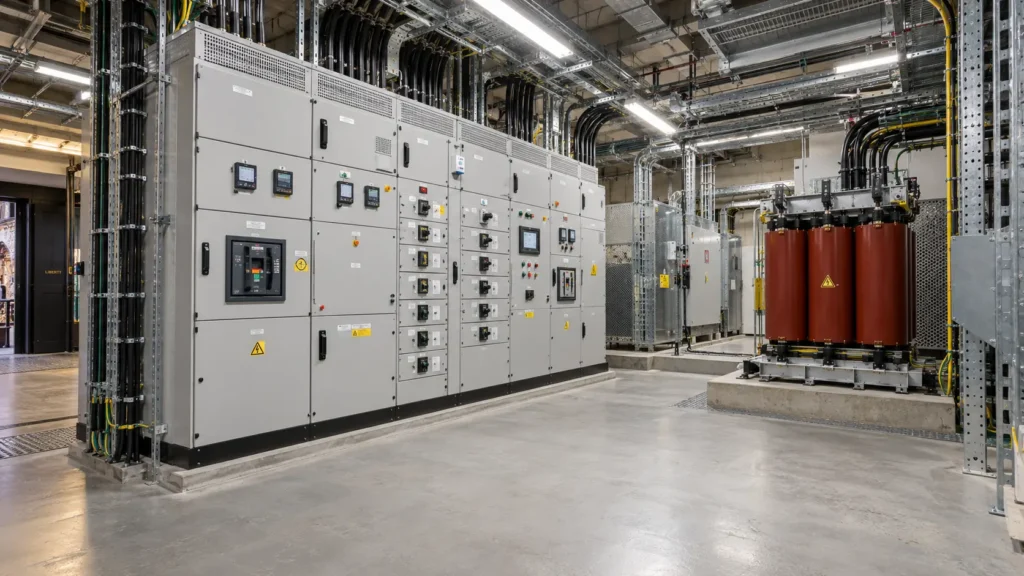
- A commercial substation installation can include high voltage equipment, transformers, low voltage switchgear, cabling, earthing and protection systems.
- Before any equipment is specified, engineers need to understand the existing load, future demand and the physical constraints of the site.
- Access also matters. Large transformers and switchgear must be transported into position, cable routes have to be planned and shutdowns may need to be carefully scheduled around normal operations.
Powercor has delivered this type of project for clients including Liberty London. The project included a new 11 kV substation, a 1000 kVA transformer and a 1600 amp low voltage switch panel. A feasibility study was carried out first to establish actual energy consumption and assess future requirements.
That same principle applies to a school electrical infrastructure upgrade, and to warehouses and other commercial properties. Measure first, then design around real demand.
Why metering should come first
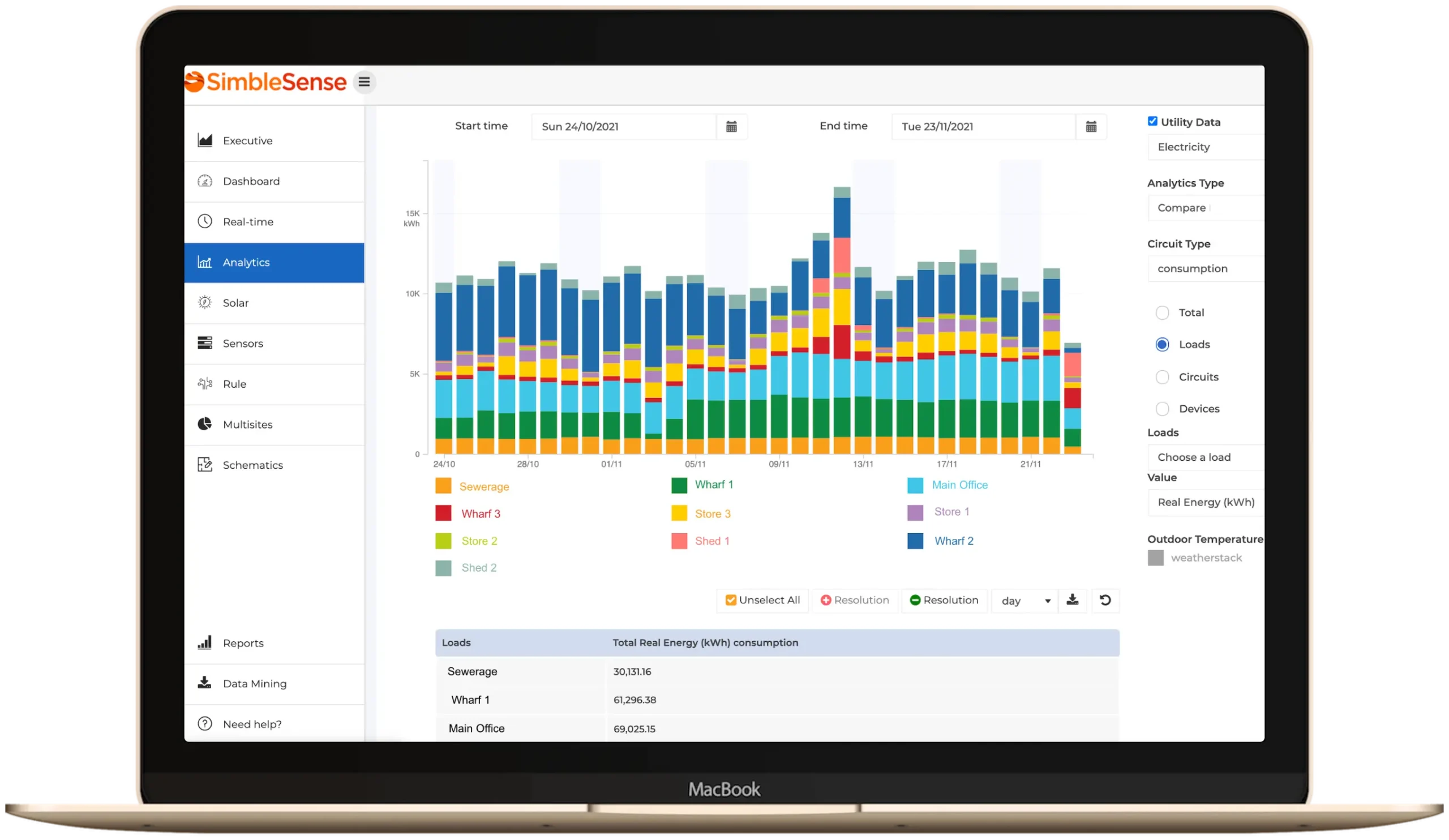
Accurate metering can make a substantial difference when planning a commercial electrical infrastructure upgrade.
Half hourly or more detailed energy data can show when demand peaks, how much spare capacity exists and which parts of the site consume the most electricity.
That information can then be compared with planned additions such as EV chargers, solar PV, battery storage or new mechanical equipment.
Powercor has used this approach on projects such as Charterhouse School, where automated metering was installed to monitor electricity use, energy costs and carbon emissions.
Good data can also show where capacity can be managed more intelligently. In some cases, load management and smarter controls may reduce the amount of new infrastructure required.
Working with the electricity network
Larger projects may require involvement from the local Distribution Network Operator.
Ofgem explains that the cost and complexity of a new or upgraded electricity connection depends on factors including the capacity required, the site location, the distance from the existing network and whether the local network can accommodate the additional demand.
The Energy Networks Association is another useful source of information for organisations researching electricity network connections.
For electrical installation standards, the Institution of Engineering and Technology publishes BS 7671, which covers the requirements for electrical installations in the UK.
Bringing these discussions into the project early can prevent delays once equipment has already been specified or ordered.
Investing in infrastructure creates options
A new substation or upgraded electrical distribution system should be viewed as infrastructure for the wider site, rather than infrastructure for a single project.
Additional capacity can support future solar PV, battery storage, EV charging, heat pumps, new plant and building expansion.
Replacing ageing electrical equipment can also improve resilience and give facilities teams better visibility of how electricity is being used.
For schools and businesses with long term energy plans, this changes the question.
Instead of asking whether the building has enough power for the next solar or EV project, it is worth asking what electrical infrastructure the site will need over the next ten or twenty years.
How can Powercor help?
Powercor can assess existing electrical capacity, monitor actual demand and design the commercial electrical infrastructure upgrade needed to support future energy projects.