

How can natural lighting in office spaces boost productivity and wellbeing?

Natural lighting is one of the most powerful upgrades an office can make. It has the potential to shape how people feel, how well they focus and how comfortable they stay across a full working day. When daylight is limited, this type of lighting can recreate the same cues and benefits indoors, helping teams stay […]
Unlocking the full benefit from your factory lighting

Factory lighting has evolved far beyond simple illumination. It now plays a critical role in operational efficiency, safety, workforce wellbeing and energy management. Modern lighting systems are intelligent, responsive and fully integrated with wider energy and building management strategies. For factories aiming to reduce costs, boost output and meet environmental targets, lighting upgrades offer one […]
6 reasons why LED lighting is important for your business
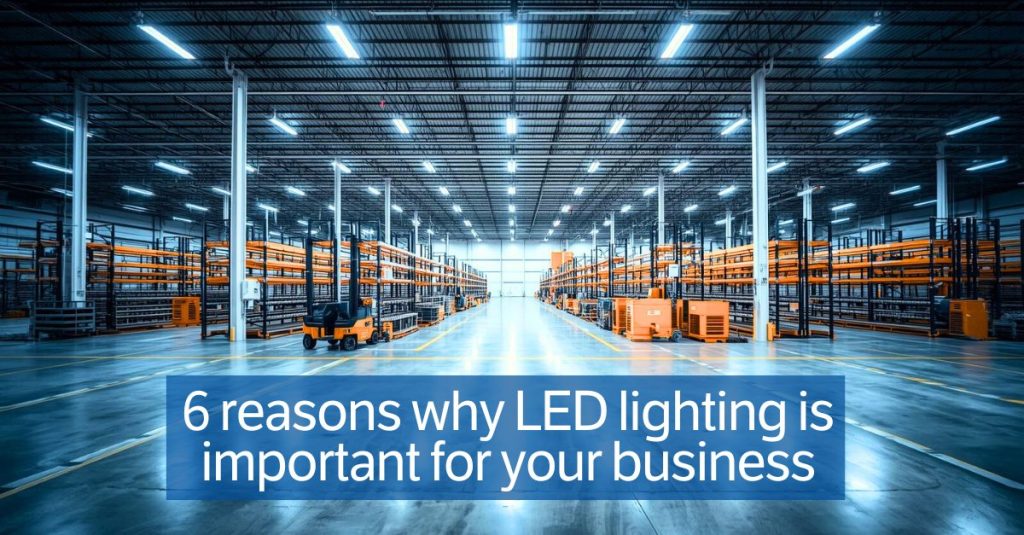
Energy use is under more scrutiny than ever. From rising operational costs to stricter sustainability goals, businesses across the UK are being pushed to think harder and smarter about how they consume electricity, and lighting is one of the easiest places to start. Whether you’re managing a warehouse, an office complex, a large public venue […]
Powercor partners with Skanska to bring lighting controls clarity to One Kingdom Street
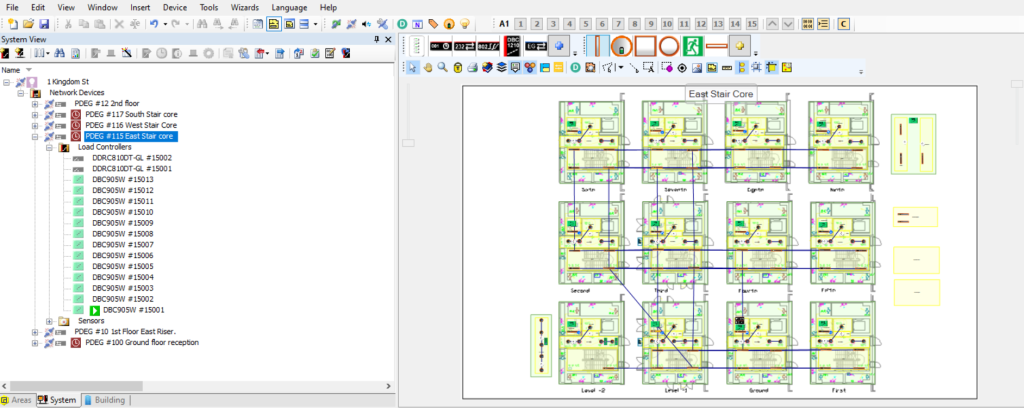
When global construction powerhouse Skanska needed help with a lighting control mystery in the heart of Paddington, they turned to Powercor. Known for delivering large-scale infrastructure and commercial projects, Skanska were managing a flagship building at One Kingdom Street — a sleek, modern property packed with LED lighting and other technology, but lacking the expertise […]
Lighting solutions for warehouses
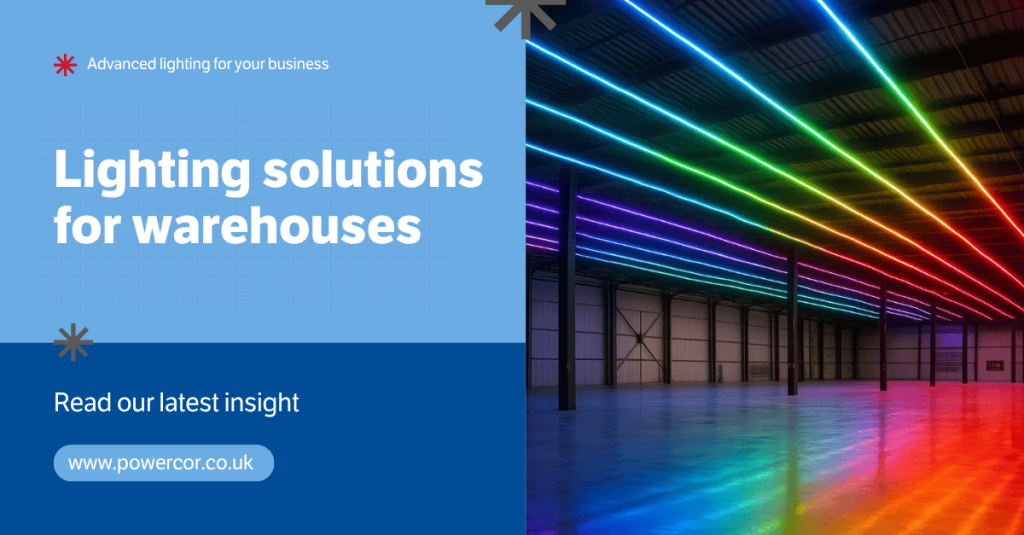
For warehouse operators across the UK, and efficient lighting system is a strategic asset. Smart lighting solutions tailored to large-scale, high-ceiling environments are not only essential for safety and productivity, but they also unlock major savings in operational costs and carbon footprint. For a company like Powercor, offering integrated, future-ready lighting systems for warehouses is […]
Improving your fan experience with the latest Football Stadium Lighting
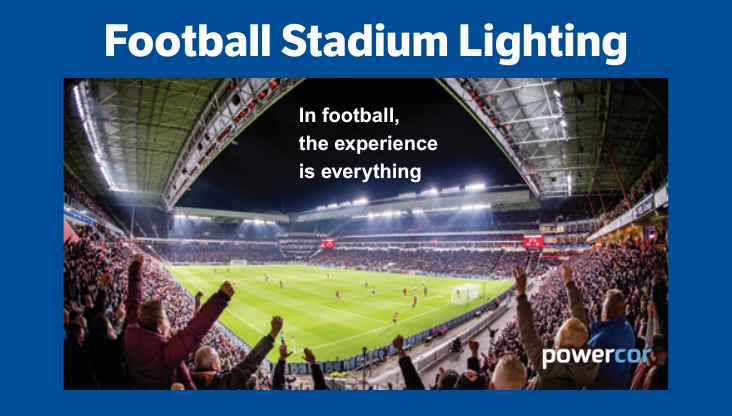
Sports stadia have provided a focus for entertainment for centuries. They are designed to create drama, energy and spectacle. A key aspect for developing the experience and ambience is the lighting system. Connected LED lighting—integrated with smart controls and IoT technologies—offers a transformative solution for stadium owners and facility managers seeking to enhance sustainability, reduce costs, and meet modern broadcasting and safety standards.
MEES requirements for commercial property owners

With the UK government tightening Minimum Energy Efficiency Standards (MEES) for commercial properties, landlords face new requirements by 2027 (now 2028) and 2030. From 2028, non-domestic properties in England and Wales must achieve an Energy Performance Certificate (EPC) rating of at least C to remain eligible for rental, rising to a B rating by April 2030. These standards align with the UK’s climate targets, encouraging landlords and developers to improve building efficiency as part of the national drive toward a low-carbon economy. However, achieving compliance will require significant effort, with offices, warehouses, factories and other types of property all affected.
Regulatory background and key details
Introduced under the 2015 Energy Efficiency (Private Rented Property) Regulations, MEES initially targeted improved energy performance in rented properties and are now evolving to require substantial upgrades. Currently, all commercial properties must hold an EPC rating of at least E. Failure to comply can lead to fines reaching £150,000, depending on the rateable value of the property. The upcoming 2028 and 2030 standards represent the government’s approach to phasing out inefficient buildings, with stricter measures to align with the UK’s climate strategy.
Landlords have two main options to ensure compliance: either complete necessary upgrades to meet EPC targets or apply for one of the few available exemptions. A number of MEES commercial property exemptions exist—both long and short term—and landlords are advised to seek specialist legal advice if they feel an exemption applies to their property. Each exemption must be registered on the PRS Exemptions Register, underscoring the need for landlords to act well in advance to avoid issues as deadlines near.
Commercial property owners strategies for MEES compliance
Commercial landlords and property managers can adopt a range of strategies to help their properties meet the required EPC ratings and comply with the MEES demands. The following are potentially effective measures:
• Solar energy systems: Installing solar panels can improve EPC ratings by reducing reliance on grid electricity, lowering operational costs, and generating on-site renewable energy. For properties with substantial roof space, solar power can be a particularly advantageous solution
• LED lighting upgrades: Upgrading to LED lighting is a fast and affordable method of enhancing a property’s energy efficiency. LEDs consume significantly less power than traditional lighting, have a longer lifespan, and generate less heat. Powercor’s LED solutions are tailored to commercial buildings, cutting energy use and easing the path to compliance
• HVAC system optimisation: Upgrading HVAC (heating, ventilation, and air conditioning) systems enhances building energy efficiency. Modern systems consume less energy and are easier to control, allowing better management of heating and cooling needs according to building occupancy, which can significantly reduce energy use.
• Energy monitoring and management systems: Advanced energy management systems provide real-time monitoring of energy use, enabling targeted interventions for improved efficiency. Powercor offers monitoring solutions that help property managers identify high-consumption areas and make adjustments as needed
• Insulation and glazing: Upgrading insulation and adding double or triple glazing improves thermal retention, leading to a reduction in energy requirements. Though these measures can be more costly, they make a direct impact on the EPC rating by limiting heat loss, which is essential for buildings striving to reach B ratings
Practical considerations and market implications
The upcoming EPC requirements will lead to significant renovation efforts across the UK’s commercial property sector, with costs and timing dependent on each building’s current state. Experts recommend conducting an EPC assessment well in advance of regulatory deadlines to plan and implement improvements while avoiding a spike in contractor demand and associated costs that will likely increase closer to the deadlines
With a proactive approach to energy improvements, commercial property owners not only meet regulatory requirements but can potentially increase their property’s market appeal and rental value. Aligning these upgrades with sustainability goals is beneficial in attracting tenants and investors prioritising environmentally responsible spaces.
For property owners seeking to meet these MEES standards, Powercor’s range of energy solutions offers specialised support, from energy-efficient systems to real-time monitoring, making compliance more manageable and strategic. Taking action early helps avoid compliance risks and ensures properties remain competitive in a market increasingly valuing sustainability and energy efficiency.
How do LED lights work?

Modern sports stadiums rely heavily on LED lighting to transform them into dynamic, multipurpose hubs that cater to a diverse range of activities. Whether hosting a football match, a concert, or a corporate event, modern-day LED lighting and connected lighting systems play a crucial role in enhancing the experience for both spectators and broadcasters. As the demands on these venues continue to grow, many are turning to the latest advancements in LED lighting systems to meet these needs efficiently and effectively.
Sports Stadium Lighting – illuminating play with LED technology
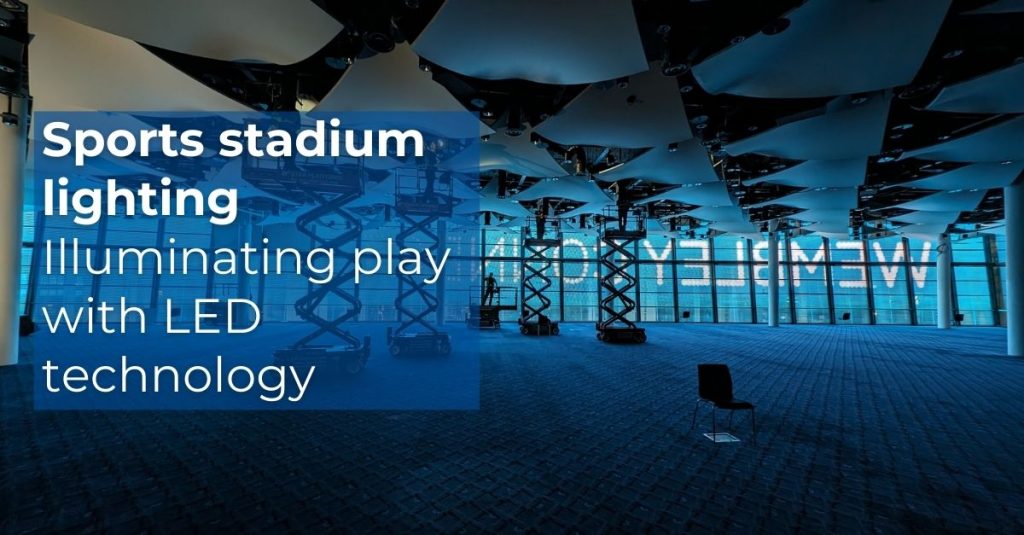
Modern sports stadiums rely heavily on LED lighting to transform them into dynamic, multipurpose hubs that cater to a diverse range of activities. Whether hosting a football match, a concert, or a corporate event, modern-day LED lighting and connected lighting systems play a crucial role in enhancing the experience for both spectators and broadcasters. As the demands on these venues continue to grow, many are turning to the latest advancements in LED lighting systems to meet these needs efficiently and effectively.
Kelly’s Storage, Luton

LED Lighting & Controls

