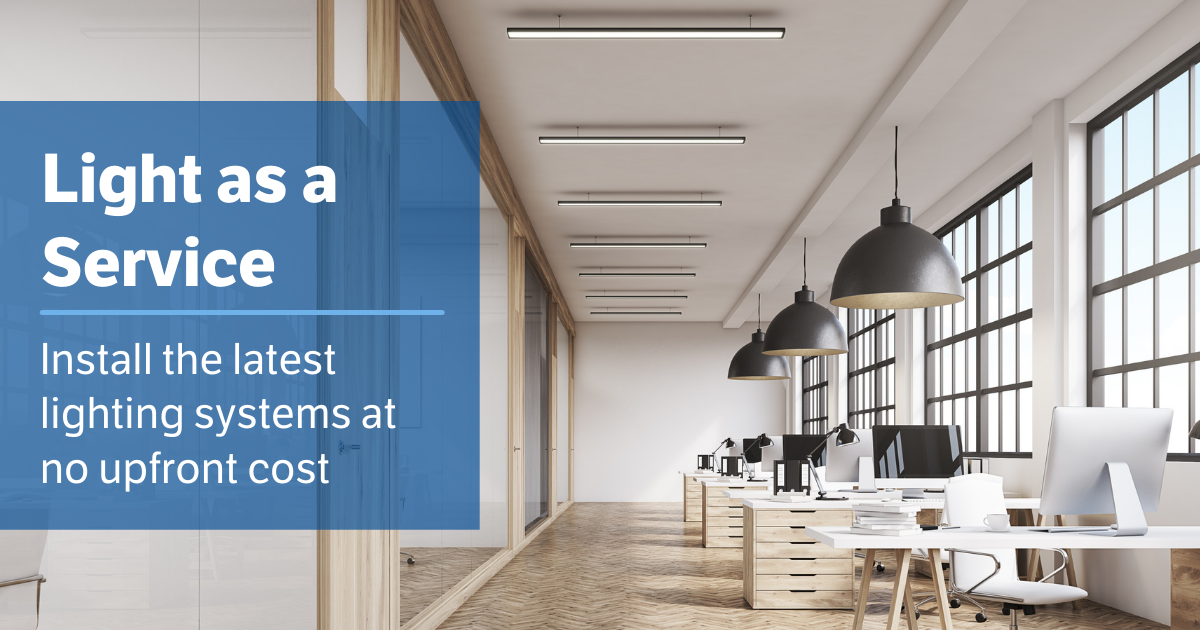
Energy use is under more scrutiny than ever. From rising operational costs to stricter sustainability goals, businesses across the UK are being pushed to think harder and smarter about how they consume electricity, and lighting is one of the easiest places to start.
Whether you’re managing a warehouse, an office complex, a large public venue like a stadium, or a school, moving to LED or upgrading existing lighting can make a lot of sense for many. It’s a strategic decision that brings tangible benefits for your bottom line, your operational resilience and your environmental impact.
We have listed below six compelling reasons why LED lighting should be at the top of your energy strategy in 2026 and beyond.
One: Increased energy efficiency and reduced costs
LEDs are significantly more energy-efficient than older lighting technologies like fluorescents and halogens. And LED technology itself has moved on significantly in recent years. Businesses that switch to or upgrade their LED lighting can cut lighting-related energy consumption by up to 80%.
That’s good for sustainability targets and a direct and ongoing reduction in operating expenses. For larger building and facilities, this can equate to tens of thousands of pounds saved annually, a recouping the cost of installation in a short period of time. Moreover, the results are immediate from the moment the system is up and running.
Two: Lower maintenance with fewer disruptions
Older lighting technology can more easily fail and needs regular maintenance. Newer LEDs, by contrast, can last upwards of 50,000 hours, often five to ten times longer than legacy technologies.
That longevity translates to fewer replacements, reduced downtime and less need for facility teams or contractors to intervene. In environments with difficult-to-access fittings, such as high-bay warehouses or stadium roof structures, this benefit is markedly increased.
Three: Better lighting quality improves performance
Lighting isn’t just about straightforward visibility; it can affect mood, focus and safety. LEDs can deliver superior light quality in several ways including colour rendering, consistency and flicker reduction. They provide full brightness instantly, with no warm-up time, and they’re more controllable in terms of colour, temperature and output.
For offices, this means reduced eye strain and fatigue and sometimes the ability to create a ‘natural lighting’ environment. For logistics centres, it means safer, more precise operations. When people can see better, they work better and fewer mistakes means less issues to deal with that take time and money.
Four: Smarter control, scalable systems
One of the biggest advantages of the latest LED lighting technology is how well it is able to integrates with modern building management and IoT systems. There is now no need to be limited to simple on/off switches or timer-based controls.
The possibilities are extensive, including lighting being able to be grouped into zones, automated with motion sensors and dimmed based on occupancy or natural light levels.
Smart controls such as this lead to even greater energy savings, especially in variable-use spaces like warehouses, meeting rooms or classrooms. The result is greater visibility and control over your lighting usage, right down to individual zones, often managed centrally or remotely via a smart phone app.
Five: A statement of sustainability intentions
Every kilowatt-hour saved through LED lighting directly reduces your carbon emissions. For companies looking to hit ESG targets, decarbonise Scope 2 emissions, or strengthen their sustainability credentials, LEDs are a fast and measurable win.
They also support wider environmental initiatives, such as BREEAM ratings and ISO 14001 compliance. In addition, showing tangible progress on energy efficiency helps attract partners, clients and investors who are placing growing importance on environmental responsibility.
Six: Compliance and future proofing
UK legislation around building energy performance is only moving in one direction: stricter. The Minimum Energy Efficiency Standards (MEES) already require commercial rented buildings to meet certain EPC ratings, and future reforms are expected to raise the bar further.
LED lighting upgrades help your business stay compliant now and avoid costly retrofits or penalties later. It’s a future-proof investment that aligns with both current regulations and upcoming policy changes, including the national push towards Net Zero.
Act now to benefit now
If you have outdated technology, the sooner your business upgrades, the sooner you’ll see the gains in cost, control and carbon performance.
If you’re considering an upgrade or want to understand how LED technology could integrate into your broader energy strategy now is the time to take action.
Click here to see examples of Powercor’s LED lighting projects.